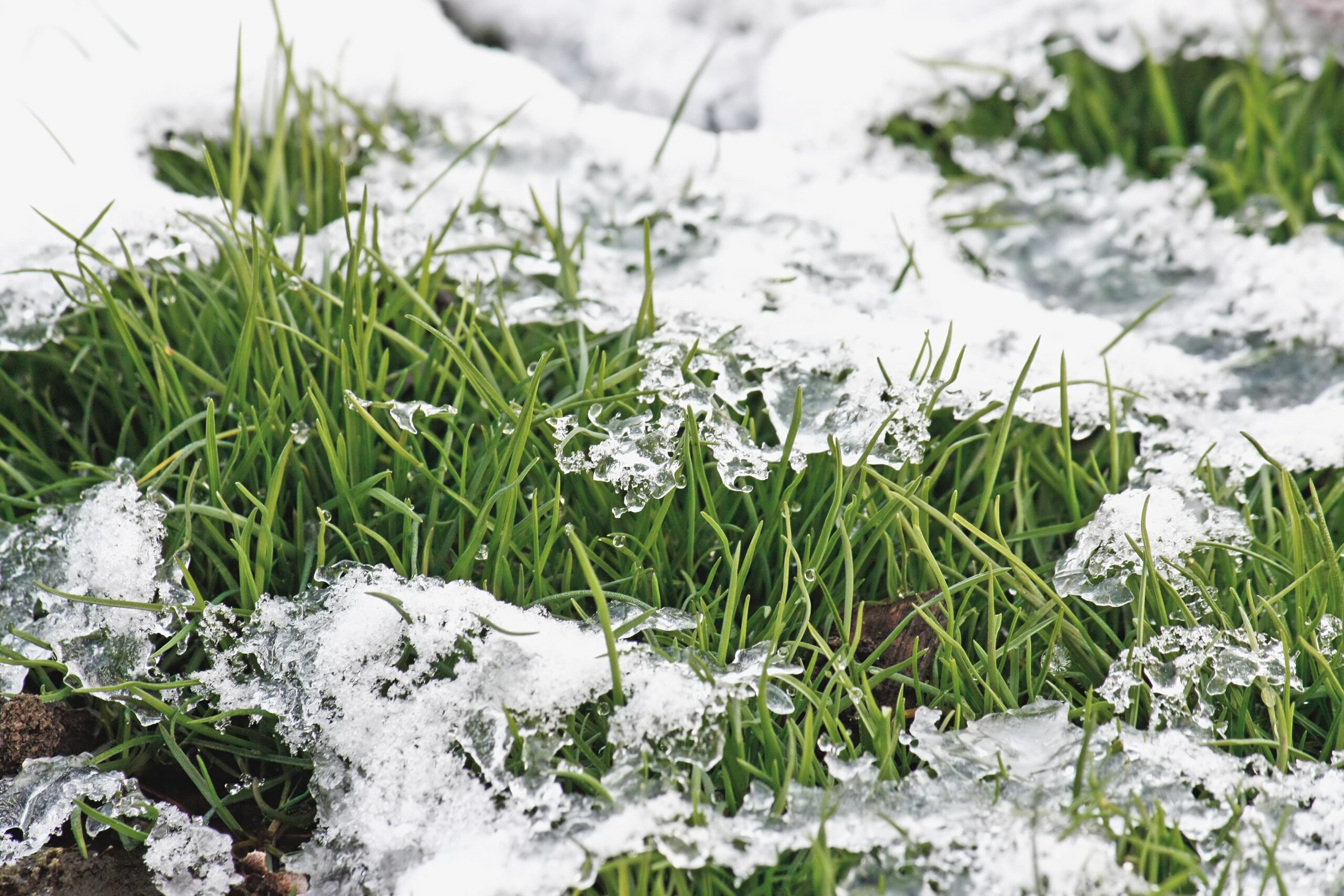
January lawns in Wichita often look dull, brown, or lifeless, but this appearance is completely normal. Winter lawn dormancy is a natural process that allows grass to conserve energy and protect itself from cold temperatures, frost, and fluctuating winter conditions.
Rather than focusing on growth, January lawn care is about preservation. Understanding what dormancy means and how to properly care for your lawn during this quiet season can have a major impact on how quickly and evenly it greens up in the spring. At Four Star Lawn Care, we help Wichita homeowners take a year-round approach to lawn health, even when active maintenance is minimal.
Most Wichita lawns consist of cool-season grasses like tall fescue. When soil temperatures consistently drop, these grasses enter dormancy, slowing growth and redirecting energy to the root system. While the grass blades above ground may appear inactive, the roots remain alive and vulnerable to stress.
Dormant lawns are especially sensitive to compaction, dehydration, and physical damage. The way your lawn is treated in January plays a key role in its strength and resilience once spring begins.
Although irrigation systems are shut down for winter, some lawns still benefit from occasional watering during extended dry periods. Wichita winters often include long stretches without precipitation, which can cause soil to dry out more than expected.
If temperatures are above freezing and the ground is not frozen, watering once every few weeks can help prevent root desiccation. This is especially important for lawns exposed to wind or full sun. Overwatering, however, should be avoided, as saturated soil can lead to root damage when temperatures drop again.
Learn more about seasonal lawn care planning on our lawn care services page.
One of the most overlooked winter lawn issues is foot traffic. Frozen or dormant grass blades become brittle and are easily damaged when walked on repeatedly. This can lead to broken turf, compacted soil, and thin areas that struggle to recover in spring.
Try to avoid unnecessary traffic across your lawn during January, particularly when frost or snow is present. Redirect walkways, when possible, to keep pets and play activity off dormant turf to reduce long-term stress.
Mowing is rarely necessary in January. If your lawn was properly maintained in late fall, grass growth should be minimal or nonexistent. Cutting dormant grass too short can expose the plant's crown to cold injury and weaken its spring recovery.
Fertilization should also be avoided during winter dormancy. Grass cannot efficiently absorb nutrients during this time, and excess fertilizer may wash away harm surrounding soil and waterways. Proper fertilizer timing is essential and is best addressed during late fall or early spring.
The condition of your lawn in early spring is directly influenced by how it was treated during winter. Lawns that experience heavy traffic, drought stress, or soil compaction during dormancy often green up unevenly and are more susceptible to weeds and disease.
According to Kansas State University Research and Extension, minimizing winter stress and maintaining healthy soil conditions helps cool-season grasses transition more smoothly into active growth. Their turfgrass research emphasizes the importance of prevention and seasonal timing as key factors in maintaining long-term lawn health.
By allowing your lawn to rest and avoiding unnecessary interference, you give it the best chance to emerge strong and healthy when temperatures rise.
While January is a quiet month for lawn growth, it is an ideal time for planning. Scheduling fertilization, weed control, aeration, and irrigation start-ups early helps homeowners stay ahead of spring demand and ensures services are performed at the optimal time.
Four Star Lawn Care works with Wichita homeowners to develop customized lawn care plans that support healthy turf throughout the year. Early planning leads to better results and fewer surprises once the growing season begins.
Winter lawn dormancy is not a problem to fix, but a phase to respect. By limiting traffic, avoiding unnecessary mowing and fertilization, monitoring moisture levels, and planning, homeowners can protect their investment and set the stage for a strong spring lawn.
Contact Four Star Lawn Care today to start planning for a successful spring and keep your lawn on the right track year-round.
