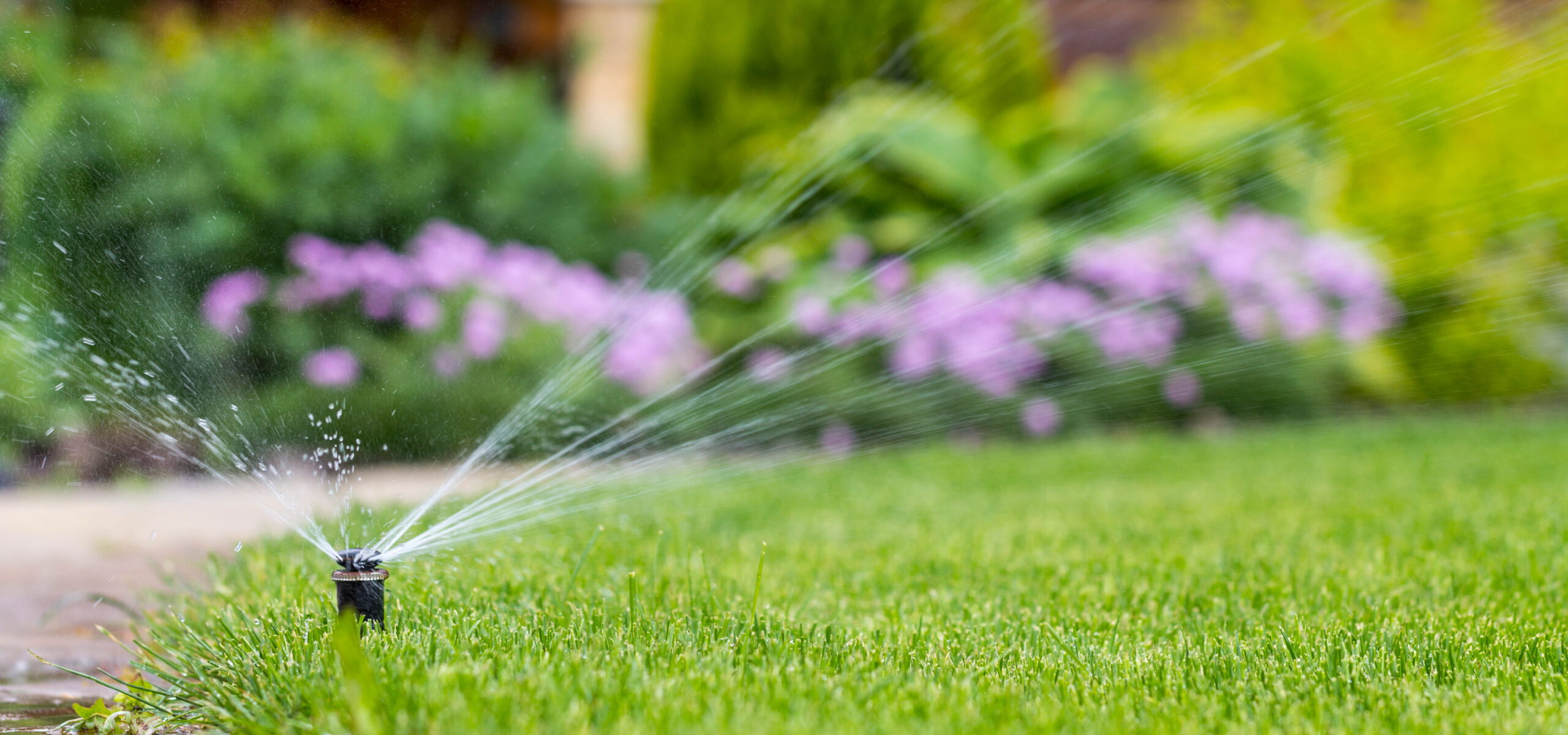
As temperatures rise in Wichita, many homeowners start wondering how often to water their lawns. Spring rain may have helped your yard green up earlier in the season, but by May, warmer days, stronger sun, and windy Kansas weather can dry out your lawn faster than expected.
Knowing when and how to water your lawn can make a major difference before summer heat arrives. Watering too little can lead to dry, brown, or thinning grass. Watering too often can waste water, weaken roots, and create conditions that encourage disease.
For Wichita homeowners, the goal is not to water every day. The goal is to water deeply and consistently so your lawn develops stronger roots before summer stress sets in.
Most established lawns need about 1 to 1.5 inches of water per week during the active growing season. Cool season grasses, including tall fescue, often need this amount to stay green and healthy as temperatures climb.
In late spring, your lawn may not need as much water as it will during peak summer. Rainfall, soil type, shade, wind, and grass condition all affect how often you need to water your lawn.
A good starting point for many Wichita lawns is watering two to three times per week, depending on current weather and local watering guidelines. Wichita currently has a permanent outdoor watering schedule in place, with outdoor sprinkler irrigation limited to three days per week and no watering allowed between 10 am and 6 pm.
Instead of watering lightly every day, focus on deeper watering that soaks into the soil. This helps roots grow deeper, making your lawn more resilient when summer heat arrives.
Deep watering helps moisture reach the root zone. When you water your lawn too lightly, the water may only wet the top layer of soil. This encourages shallow roots, which makes grass more vulnerable to heat, drought, and stress.
A deeper root system helps your lawn handle changing conditions more effectively. This is especially important in Wichita, where spring conditions can shift quickly into hot, dry, and windy summer weather.
Your lawn will often show signs when it needs more moisture. Some common signs include:
If you notice these signs, your lawn may be under stress. However, brown grass does not always mean your yard is dead. It may be going dormant or reacting to heat, compacted soil, poor irrigation coverage, or another lawn care issue.
That is why it helps to look at the full picture before simply increasing your watering schedule.
Yes, it is possible to overwater your lawn. Too much water can create shallow roots, soggy soil, fungal issues, and runoff. It can also waste water without improving the health of your yard.
Overwatering is especially common when sprinkler systems are set on automatic timers and not adjusted for rainfall or seasonal changes. Your lawn does not need the same amount of water in May that it may need during a hot, dry stretch in July.
Before summer, check your irrigation system to make sure each zone is working properly. Broken heads, poor coverage, clogged nozzles, and overspray onto sidewalks or driveways can all keep your lawn from receiving the right amount of water.
The best time to water your lawn is early in the morning. Morning watering gives moisture time to soak into the soil before the heat of the day causes evaporation.
Wichita’s watering rules also prohibit outdoor watering between 10 am and 6 pm, which supports better water conservation during hotter parts of the day.
Avoid watering late at night when possible. Grass that stays wet overnight may be more prone to disease, especially when humidity rises.
May is a smart time to schedule an irrigation start-up or sprinkler system check. Even if your lawn looks healthy now, irrigation issues can become more noticeable once summer heat arrives.
A professional irrigation start-up can help make sure your system is running correctly, your zones are covering the right areas, and your watering schedule is set for the season. This can help prevent dry spots, overwatered areas, and unnecessary water waste.
For many Wichita homeowners, irrigation maintenance is one of the easiest ways to prepare the lawn before summer stress begins.
Watering is important, but it is only one part of a healthy lawn. If your yard is thin, weedy, compacted, or underfed, watering alone may not solve the problem.
A strong lawn care plan may also include fertilization, weed control, mowing, lawn cleanup, aeration, and overseeding when the timing is right. For example, if weeds are competing with your grass, they may take moisture and nutrients away from the lawn. If the soil is compacted, water may not soak in evenly.
By combining smart watering habits with professional lawn care, you can help your yard stay healthier through the summer months.
If you are not sure how often to water your lawn, Four Star Lawn Care can help. Our team can evaluate your yard, check for signs of stress, and recommend the right services to support stronger, healthier grass before summer.
From lawn maintenance and fertilization to weed control and irrigation start-ups, we help Wichita homeowners care for their lawns with the season in mind. Contact Four Star Lawn Care today to get your lawn ready for summer.
