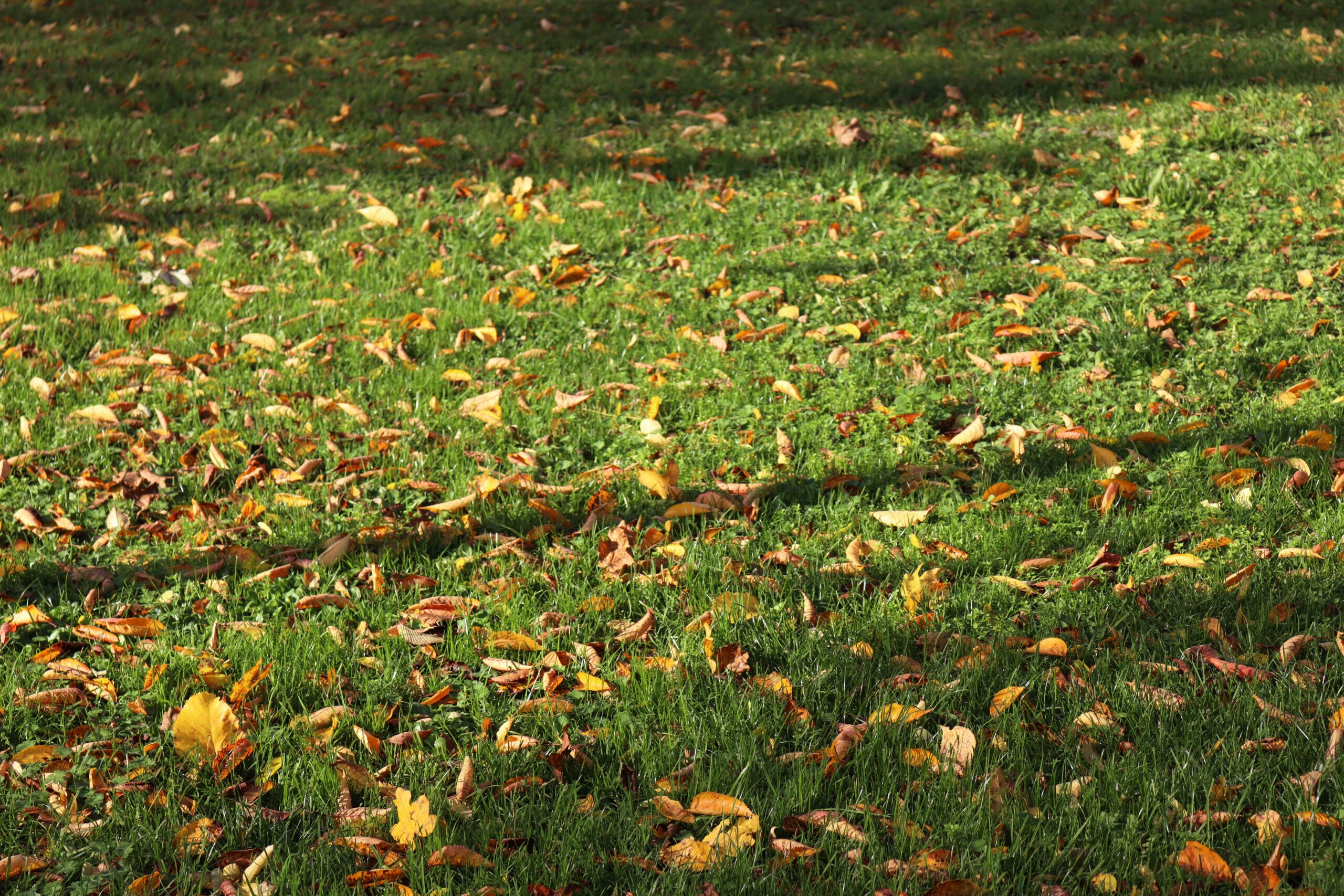
Lawn aeration opens up the soil. Overseeding fills the thin spots. While helpful, those two steps only prep your lawn so that you can strengthen it with other strategies. Your grass still needs crucial nutrients to stay healthy and strong year-round. After the extreme heat and sunshine of a Kansas summer, early fall is the best time to fertilize your lawn.
If you’ve aerated and overseeded your lawn this fall, fertilizing ensures that work will be rewarded with a thicker, healthier lawn come springtime. Here is why it matters so much this time of year, and why the timing is worth getting right.
Fall fertilization sounds contrary to what most people think. During the summer, your lawn looks its most active, so it seems like the season that would benefit the most from a dose of nutrients. But for the tall fescue most Wichita lawns are built on, fall is when the real growth work happens underground.
As the air temperature drops and grass growth slows, cool-season grasses shift energy toward developing strong root systems. At the same time, the grass starts storing this energy for dormancy. Fertilizing during this short window puts nutrients in the ground exactly when the plant uses them for root development. A lawn fertilized properly in fall goes into winter stronger and comes out of it thicker and greener than one that skipped the most important step.
Fall fertilization shouldn’t be a separate project from aeration and overseeding. Aeration relieves soil compaction that prevents the lawn from absorbing nutrients. So, fertilizing after aeration means those nutrients can reach the roots directly.
Newly overseeded grass is also established from scratch, which takes an extra boost of energy. A well-timed fertilizer application supports seeds through the fragile early weeks and helps develop new roots. Together, these three important lawn maintenance steps reinforce each other. Aeration opens the soil, overseeding adds new growth, and fertilization fuels all of it.
For the full picture on how the aeration and overseeding side works, see our fall guide on the ‘Signs Your Lawn Needs Aeration and Overseeding.’
Well-timed Fall fertilization shows up in several ways:
Fall is the season for root growth, and fertilization drives it. Deeper, denser roots make the whole lawn more resilient to next year's heat and drought.
A well-fertilized lawn stores more of the energy reserves it needs to survive a Kansas winter, so more of it comes back in spring instead of thinning out.
The energy reserves built in fall are what a lawn draws on when it wakes up after a long, cold winter. Well-nourished lawns green up sooner and need less coaxing in the spring.
The right nutrients support the density that crowds weeds out. A full, vigorous lawn simply leaves less room for unwanted weeds to move in.
Here is where fall fertilization gets less simple than it sounds. The benefits above depend on getting the timing, rate, and product right, and each is easy to miss. Fertilize too early, and you push soft top growth when the lawn should be building roots. Fertilize too late, and the lawn has already gone dormant and cannot use the fertilizer. Apply too much nitrogen, and you can force growth that invites lawn diseases. And a lawn that was just overseeded has different needs than established turf. It takes real judgment to read a specific lawn and match fertilization to what it needs and when.
The reason fall fertilization pays off is that it’s timed to work with everything else the lawn is doing right now, so it’s not treated as a one-off application. Aeration, overseeding, and fertilization land in the same window on purpose, each one setting up the next, and the results add up when they are planned together correctly rather than done piecemeal.
A well-thought-out plan is the single most valuable thing to remember. Each lawn needs its own unique strategy. For example, a lawn that was hit hard by disease needs a different approach than one that is thinning. Recognizing those differences and planning the fall maintenance around them is what helps lawns grow back stronger year after year.
If your lawn was aerated and overseeded this fall, fertilization is the all-important final step to lock in the results. If it wasn’t, a well-timed fall fertilizer application is still one of the best things you can do for your lawn before the winter hits. Since 1989, Four Star has helped Wichita homeowners and business owners find the perfect fall lawn care strategy for their property. Give us a call or schedule a free quote today.
